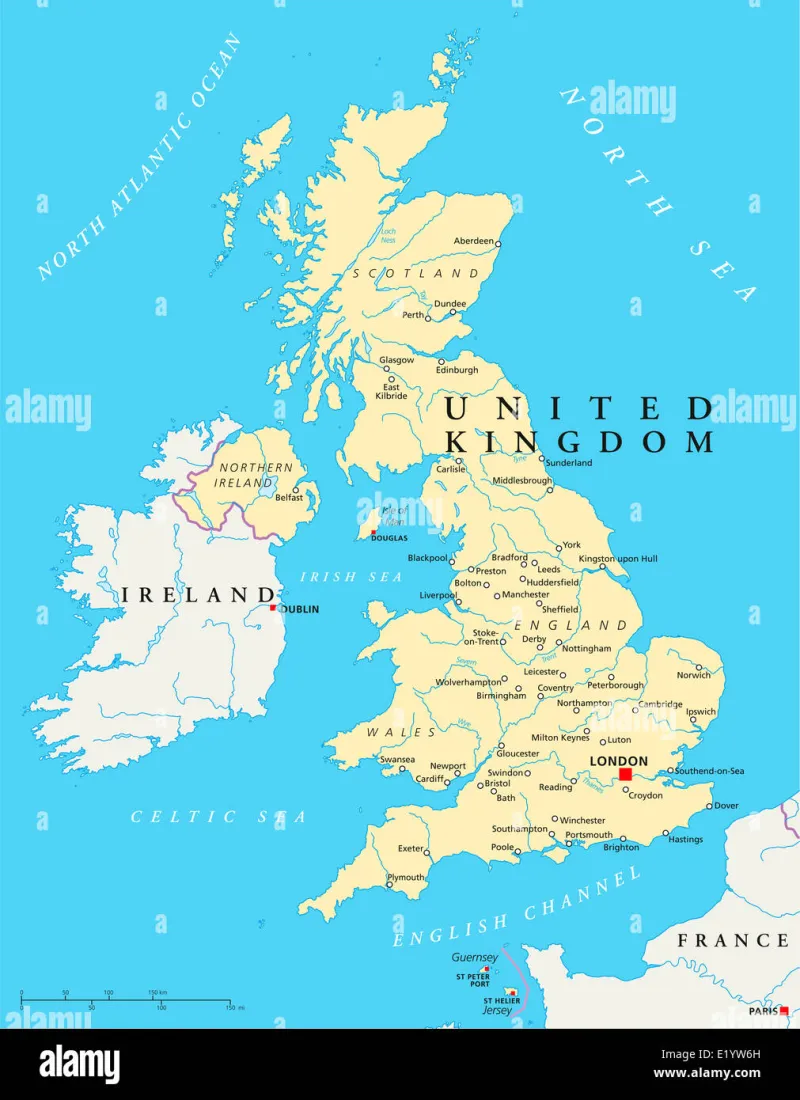
Your Courier Labels Are a Free Market Research Panel

Most small e-commerce teams look at a courier label and see one thing: an address. Fair enough. It gets the parcel out of the door. But once you strip out the personal details and group those labels sensibly, they become one of the most honest demand signals a UK shop has. Not a survey. Not a guess. Just a record of where people were willing to spend money with you, pay for delivery, and sometimes send something back.
That is the useful bit. Your delivery data is already telling you where your next traffic market might be. You just need to read it without turning it into a 40-tab spreadsheet that nobody opens after week two.
Start with outward codes, not full postcodes
The first rule is boring but important: do not build a map from full postcodes. Use postcode districts or outward codes only, and aggregate enough orders that no individual customer could be identified. If a district has three orders, that is not a market insight. It is a coincidence with a postcode attached.
For a small shop, a simple export works: order date, order value, delivery outward code, return status, and maybe shipping cost band. Remove names, emails, phone numbers and full addresses. Then group by outward code. You are looking for patterns, not people.
A useful sanity check is to compare raw order counts with a rough population or household figure for each area. You do not need a data science setup. A look-up table and a basic rate per 1,000 households will stop you crowning London as your best market simply because London is enormous.
Build the map in three layers
A single order count flatters busy regions. A better picture comes from three layers.
First, demand: how many orders came from each outward code, and what was the average order value? Second, friction: what did delivery cost, how long did it take, and how often did the order come back? Third, leakage: which areas show strong browsing or add-to-cart activity but weak completed orders? That last layer is where analytics earns its keep. If your checkout data shows interest in Leeds but your parcel data shows very few completed orders, you have a question worth asking about delivery promises, payment options or trust signals.
Plot those three layers side by side and you get something more useful than a heat map. You get a shortlist. Some areas are loud and profitable. Some are loud and expensive. Some are quiet but convert well and almost never return anything. The quiet ones are often the most interesting.
Separate loud regions from profitable ones
A big city can look like the obvious next target. It is also where paid social costs can climb, delivery expectations are high, and returns can be brutal. If your data shows a strong order count in Manchester but a poor margin after delivery and returns, adding more traffic there may just be buying more of the same problem.
Instead, look for what I would call repeatable pockets. Maybe you see steady orders from Bristol, Cardiff and a handful of surrounding towns, with low return rates and sensible delivery costs. That is not a viral market. It is a reliable one. Reliable is underrated.
Also check the edges. UK shoppers do not live inside neat marketing segments. A cluster around a commuter town, a university city, or a coastal area with an older demographic may behave completely differently from the nearest big city. Your courier data knows this before your ad platform does.
Pick three tests, not thirty
Once you have a shortlist, resist the urge to build 30 local landing pages. That is how you create a maintenance problem and a thin-content problem at the same time. Pick three areas for a first round of geo-targeted tests.
For search, this might mean running a small set of location-specific ads or checking whether your existing terms already attract clicks from those areas. For social, it could be a modest test with geo-restricted targeting and a clear landing page. Keep the offer the same across regions so you can compare like with like. If you change the creative, the price and the delivery promise all at once, you will learn nothing except that something happened.
Set a simple success measure before you spend: cost per order, conversion rate, return rate, or contribution margin after delivery. One of those. Not all four. Small teams get into trouble when every test has to prove five things at once.
Make local landing pages earn their place
A local landing page should answer a local question. It is not a page where you swap the town name into the headline and hope for the best. It might explain delivery times to that region, highlight collection options, mention a local event or seasonality, or show products that tend to sell well there.
Keep it useful and keep it honest. If you cannot say anything genuinely different about an area, you probably do not need a page for it yet. A good rule is one page per proven pocket, not one page per postcode on a wish list.
Put a date on the map
Delivery data goes stale. New housing estates appear, courier networks change, and a region that looked expensive in 2026 may look very different after a fulfilment tweak. Revisit the map quarterly, or at least before peak season. Compare what changed. Did returns fall? Did a new cluster appear? Did that promising area actually convert once you sent traffic to it?
The point is not to build a perfect model. It is to stop treating geography as an afterthought. Your parcel labels already contain a demand map. Give it half a day, a privacy-safe export and a bit of scepticism, and it will tell you where to look next — and, just as usefully, where not to bother.