Delivery Promises Are Marketing Copy, Not Small Print: A UK Test Plan
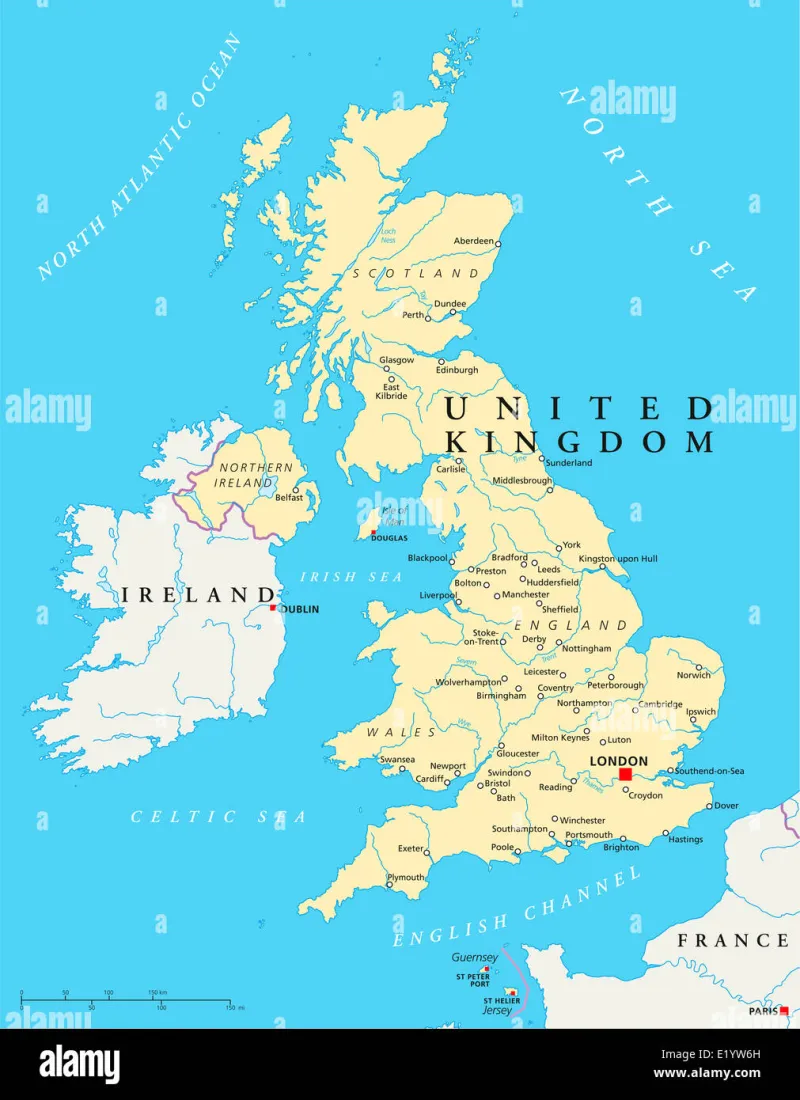
Photo: UK parcel delivery van doorstep ecommerce shipping, via c8.alamy.com
Most UK retailers treat the delivery cut-off like a legal footnote. It sits near the footer, next to the returns policy and cookie settings, doing quiet housekeeping. That is a wasted opportunity. In 2026, when paid search is pricey and every click has to earn its keep, a clear delivery promise can be the reason someone clicks your ad instead of the one above it. The trick is to treat that promise as acquisition copy — and then measure whether it brings in better clicks, not just more anxious ones.
The promise is the hook, not the hard sell
A two o'clock cut-off, next-day delivery or same-day click-and-collect is a practical filter. Shoppers use it to decide whether you can solve their problem in time. That makes it a strong message for search ads, category landing pages and abandoned-cart emails. But there is a line between helpful urgency and pressure-selling. If the cut-off is real, specific and easy to understand, it helps the right person self-select. If it is vague or fake, it damages trust and sends people back to the search results.
Start by writing down what you can actually deliver. Include postcode exceptions, weekend rules, bank holidays and stock limits. A promise that only works for mainland addresses on a Tuesday is not a national headline. Once you have the honest version, turn it into plain English: order by 2pm for next-day delivery; order by 12pm for Saturday delivery; collect from our Leeds shop within two hours. Keep it short enough for an ad and precise enough for a checkout page.
What counts as a qualified click?
This is where delivery-promise testing gets interesting. A higher click-through rate is nice, but it can also mean you have attracted bargain hunters who bounce when they see the delivery charge. So measure qualified clicks. For this article, a qualified click is a click from someone who is plausibly in your delivery area and who shows buying intent after arriving. That could mean they check a postcode, open a delivery details panel, add to basket or start checkout. You do not need a perfect model. You need a consistent one.
Set up events for those actions and tag every test link properly. Compare ad variants on click-through rate, landing-page engagement, add-to-cart rate and checkout starts. Then add guardrails: returns rate, customer-service contacts about delivery and revenue per session. If a promise lifts clicks but also lifts delivery complaints, it is not a win. It is a future refund queue with better branding.
Three places to test in 2026
Paid search is the quickest place to learn. Run two ad variants in the same campaign: one with a delivery promise and one without. Keep the landing page identical so you isolate the message. For example, test 'Order by 2pm for next-day UK delivery' against a generic benefit line. Then check whether the promise variant brings more checkout starts, not just more clicks. If you sell bulky items or personalised goods, test click-and-collect language instead. It can be more credible and more local.
Landing pages are next. Move the delivery promise from the footer to a small module near the buy button or product title. Do not shout it across the whole page. Test a static line against a dynamic one that changes with the time of day, such as 'Order within 3 hours for next-day delivery'. Dynamic copy can be powerful, but it needs a fallback for weekends, stock issues and holidays. Also test a click-and-collect option for shoppers who need certainty rather than speed.
Abandoned-cart emails deserve a more careful test. A cut-off reminder can recover a sale, but only if it is true when the email lands. Sending 'order in the next hour' at 9pm when your cut-off was 2pm is the kind of cleverness that creates complaints. Instead, use the email to restate the delivery options clearly and link to a page where the shopper can check their postcode. Measure whether the email drives a qualified return to site, not just an open. If your email platform allows it, split the list and compare a delivery-promise reminder with a simple stock reminder.
A simple scorecard
Use a small scorecard so the team does not drown in metrics. For each test, record the primary metric, a guardrail and a decision rule. For paid search, the primary metric might be checkout starts per 1,000 impressions; the guardrail is delivery-related support contacts. For landing pages, it might be add-to-cart rate; the guardrail is returns rate. For abandoned carts, it might be completed orders; the guardrail is unsubscribe rate. Give each test at least two weeks and avoid calling a winner on a handful of clicks.
You can also add a simple quality check. Ask customer service whether delivery questions changed during the test. Look at search terms in your site search. If people are asking 'do you deliver to Northern Ireland' more often, your promise may be too broad. That is useful signal, not failure.
Keep the promise honest
Delivery messaging is not a magic traffic tap. It is a clarity tool. The best version tells the right shopper that you can meet their deadline, and tells the wrong shopper early enough to avoid a wasted click. That is good for conversion, good for returns and good for the algorithm that decides whether your ad deserves more budget.
So this week, pick one product category and one channel. Write the honest promise, build the event tracking and run a small test. Judge it on qualified clicks and downstream quality, not on how urgent the copy sounds. In 2026, the retailers that win attention are not always the loudest. They are the ones who make the next step obvious.