Payday Rhythms and Half-Term Lulls: Mapping UK Attention Before You Spend a Penny in 2026

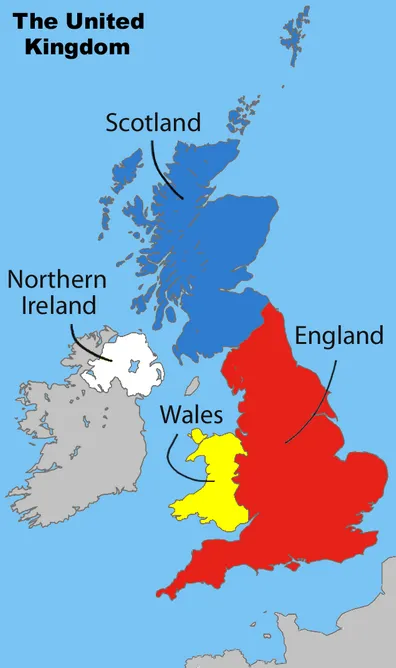
Photo: Victuallers, CC BY-SA 4.0, via Wikimedia Commons
Most content calendars are built around what a brand wants to say. The useful ones are built around when a country is paying attention.
UK attention has a rhythm to it, and it's more predictable than it looks. Money arrives at the end of the month. Kids leave school at fixed points. Bank holidays cluster. Big sporting weekends pull eyeballs away from screens and then push them back. Plan around those pulses and you'll get far more from the same budget than you will by posting steadily into the void.
A quick note on the three push types used below. Publish means content that's meant to be found later — guides, comparisons, seasonal landing pages. Send means owned traffic: email, SMS, app notifications. Boost means paid, and it should only ever sit on top of something that already works organically.
First quarter: the long, skint January
January is the cruelest month for UK retail traffic. Wallets are thin after December, resolutions are loud, and everyone is simultaneously shopping for gym kit and refusing to spend. Don't fight it — work with the smaller numbers.
January: Publish your 'new year, but realistic' content now, because the searches start on the 2nd and peak by the third week. Clearance and 'worth waiting for' messaging works better than fresh-season optimism. Send to your existing list early in the month when inbox competition is still low, and hold paid spend until the last week, when payday arrives and intent picks up.
February: Half-term typically lands mid-month, which means a dip in B2B attention and a spike in family-day-out searches. If you sell anything a parent buys to survive a wet week indoors, this is your moment. The Six Nations also runs through February and March — pub, food and screen-adjacent categories see genuine lift on match weekends.
March: Mothering Sunday falls on 15 March in 2026, which is earlier than plenty of shops expect. Publish gift guides three weeks ahead, send the first reminder a fortnight out, and boost only your best-performing guide once it has earned some organic traction.
Second quarter: bank holidays and a very big distraction
April through June is where the calendar gets crowded — and 2026 has an unusual wrinkle.
April: Easter weekend sits at the start of the month, with Good Friday on 3 April and Easter Monday on 6 April. That's a four-day window where browsing climbs and delivery expectations fall apart, so set cut-off dates visibly and repeat them. The Grand National in mid-April is a genuine traffic event for hospitality, fashion and anything gift-adjacent.
May: Two bank holidays — early May on the 4th and the spring holiday on the 25th, which usually coincides with half-term. Late May is peak 'we're going away' energy: travel accessories, garden, outdoor kit, anything that promises a better week off.
June: The men's World Cup kicks off on 11 June and runs into mid-July. Whether or not you sell anything football-related, expect a meaningful shift in attention, particularly evening browsing on match days. Publish evergreen content that can survive a distracted audience, send on non-match evenings, and avoid launching anything important in the first 48 hours of a tournament that will dominate the news cycle.
Third quarter: summer's two halves
July: Wimbledon, the school summer holidays starting in the final week, and the tail of the World Cup. Two distinct audiences: people preparing for time off, and people already away. Segment your list accordingly and stop sending holiday offers to people who've just left.
August: The summer bank holiday on 31 August is the last big spending push before term starts. School-uniform and back-to-school searches spike in the final ten days. For most shops, August is when paid CPCs soften slightly — a useful window for testing creative you'll want to run in November.
September: The reset month. New routines, new budgets, and the strongest content-consumption window outside January. Publish your meatiest guides and comparisons here. They'll have two months to earn rankings before peak season.
Fourth quarter: the sprint
October: Half-term typically falls in the last week, and clocks go back on 25 October, which nudges evening browsing earlier. This is your final chance to fix tracking, tidy product feeds and pressure-test the checkout before the volume arrives.
November: Black Friday lands on 27 November in 2026, later than last year's calendar might have trained you to expect. That extra week matters. Publish deal pages early, send your 'here's what's coming' email a week ahead, and resist boosting full-price traffic into a discount week. Bonfire Night on the 5th is a small, reliable content hook.
December: Christmas Day falls on a Friday, with Boxing Day on Saturday and a substitute bank holiday on Monday 28 December. That shape compresses delivery cut-offs and stretches the post-Christmas browsing window. Publish cut-off dates in the first week, send the final reminder on the 18th or so, and plan a 'now you have vouchers' campaign for the 27th onwards.
How to actually use this
Don't build a 365-day plan. Build a twelve-row spreadsheet: month, the two or three attention events that matter to your category, the one thing you'll publish, the one thing you'll send, and the one thing you'll boost.
Then apply the test that saves the most money: only boost what already has evidence behind it. Paid traffic amplifies a message — it doesn't rescue a weak one. If a page hasn't earned a click organically or a reply on email, adding budget just buys you a more expensive version of the same silence.
And leave slack. The UK calendar has a habit of producing a wet half-term, a rail strike or a heatwave that rearranges everything. A plan with three empty weeks in it is a plan that survives contact with reality.